First AI Music Awards: What the Chaotic Debut Means for the Future of Music
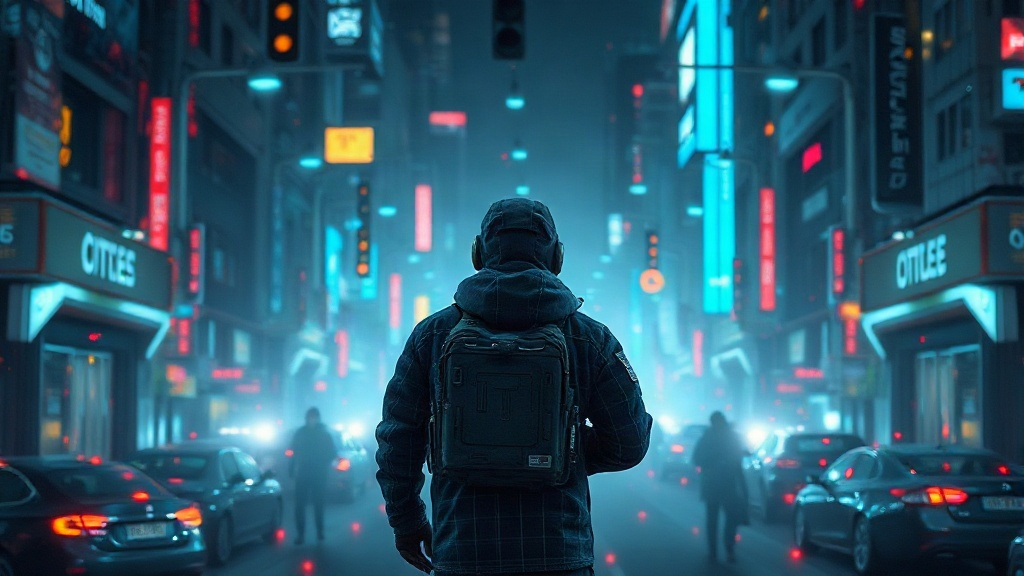
The first AI Music Awards, held this weekend, were reportedly as chaotic as they were ambitious. According to Variety, the evening was an attempt to normalize tech-assisted tunes and give algorithm-driven artistry its own red carpet. Whether you find that exciting or unsettling, the event signals that machine-assisted music has moved from experiment to category.
Why AI Music Now Has Its Own Stage
For several years, generative tools have been creeping into studios. Producers use them to sketch melodies, separate stems, clean up vocals, and generate reference tracks in seconds. Text-to-song platforms let anyone type a prompt and receive a full arrangement with vocals. What once required a studio budget now requires a browser tab.
An awards show is the logical next step. Awards confer legitimacy, and legitimacy shapes how audiences, labels, and platforms treat a new kind of work. The challenge is that the rules are still being written. Who is the artist: the person who wrote the prompt, the developer who trained the model, or the musicians whose recordings shaped the system's output? The messy tone of the debut suggests the industry hasn't settled on an answer.
The Questions Nobody Has Fully Answered
Three issues dominate nearly every conversation about AI-assisted music today.
- Attribution and credit. If a song blends human songwriting with machine-generated instrumentation, how should that be labeled? Listeners increasingly expect transparency about how a track was made. - Training data and compensation. Artists and rights holders continue to press for clarity on whether, and how, their catalogs can be used to train models, and whether licensing frameworks should pay them. - Authenticity. Many fans value the story behind a song as much as the sound. A track with no lived experience behind it may still move people, but it changes what listeners are connecting to.
Streaming services are also adapting, experimenting with disclosure labels, filters, and policies to manage the flood of machine-made uploads. Discovery is becoming as important as creation.
Tech Is Powerful, but Not Flawless
The same weekend offered a reminder that technology rarely behaves on cue. The Washington Post reported that a news briefing on a nationwide ground stop was itself disrupted by technical difficulties. It's a small but telling irony: even as systems grow more sophisticated, the basics of audio, video, and connectivity can still fail at exactly the wrong moment.
That tension applies to creative tech, too. Live demonstrations, awards ceremonies, and high-stakes communications all depend on layers of software, networks, and hardware working together. The more we rely on automation, the more resilience planning matters. Backup systems, rehearsed fallbacks, and human oversight aren't old-fashioned. They're what keeps innovation credible when something glitches.
What Creators and Listeners Can Do
If you make music, the practical path is to treat AI as an instrument rather than a replacement. Use it to speed up repetitive tasks, explore ideas, or break through a creative block, but keep your voice and decisions at the center. Document your process, read the terms of any platform you use, and understand who owns the output.
If you listen, curiosity is a good default. Pay attention to how tracks are labeled, support artists whose work you value, and notice which songs resonate with you regardless of how they were made. Your listening habits are a powerful signal to platforms and labels.
Where the Industry Goes From Here
Expect more events, more categories, and more arguments. Awards for AI-assisted work will likely sharpen definitions, such as how much human involvement is required and what disclosure looks like. Regulators, unions, and rights organizations are all watching closely, and clearer standards will probably emerge from that pressure.
The chaotic debut may turn out to be a feature rather than a flaw. New cultural categories rarely arrive polished. They stumble, provoke disagreement, and gradually find their shape. What matters is that the conversation about authorship, fairness, and quality is now happening in public, with real stakes and real audiences.
Technology will keep changing how music is made. The enduring question is how we keep the human element meaningful while embracing tools that make creation more accessible than ever.